
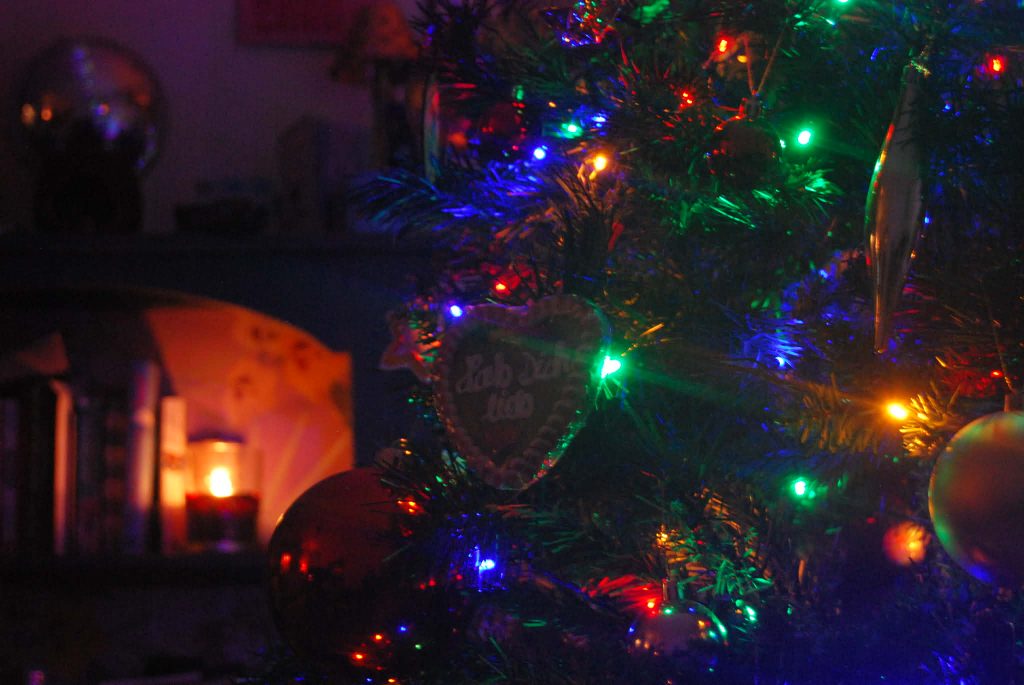
It is officially less than two weeks until Christmas, and it’s time to start cosying up by the pub fires with a glass of Baileys, or putting on Love Actually to do our final bits of wrapping. And despite the song reminding us that it’s ‘the most wonderful time of the year’, it’s also good to be mindful that it is also the most wasteful time of the year.
Bing Crosby has been dreaming of a white Christmas since 1942, and with the current rate of climate change, it is unlikely that dream will ever become a reality. From toys, wrapping paper, tags, sweet wrappers and packaging, around 114,000 tonnes of plastic packaging is thrown away in the UK alone; and unfortunately, most of this will end up in landfill.
Plastic isn’t the only concern, approximately 4.5 million Christmas dinners are wasted in the UK each year, including turkey, vegetables and desserts. We eat 80% more food during the festive season than any other time of year, but this also means there is more waste than any other time of the year.
There are many ways that we can reduce the stress on the environment during Christmas time. Here are six ways that you can create a more eco-friendly Christmas, all whilst keeping the magic.
Reduce, Reuse, Recycle:
Reduce: Cards are a lovely sentiment, however, a massive contributor to the amount of waste created. Sending a few cards to the people you love the most is much more meaningful than sending everyone you’ve ever come across a Christmas card (that’s what facebook is for!).
We all love a picky tea during the holidays, but how much do you buy that you are actually able to use before it goes out of date, and it hurts to say but, how much chocolate do you really need?
When it comes to gifts, it can be hard to only buy a few things, when everything is so easily accessible, and can be bought so cheaply online. But by switching from buying silly gifts to fill a space, a budget or a stocking, try buying only what people want or need. Small, silly gifts can be replaced with useful gifts like facewash, deodorant or even dry shampoo.
Reuse: Keep and reuse gift bags that you were given the year before, as long as you take the tag off, no one will know!
This one may sound simple: reuse your Christmas decorations. We don’t need to throw away and buy new decorations every year to follow new trends, you can buy lovely long lasting, timeless decorations, to dress your tree for years to come! Don’t forget to check your local charity shops for cheap pre-loved Christmas decorations.
Now this one may be slightly controversial, but reuse your unused Christmas gifts. Instead of shoving the shower set you don’t like the smell of in the back of the cupboard to collect dust, or even worse, chucking it in the bin, regift them to someone you know will love and get use out of it!
Recycle: The average household uses around four rolls of wrapping paper every year, and despite the use of the word paper, a lot of it cannot be recycled. However, there are so many environmentally-friendly gift wrapping options now, wrapping paper, tags, gift bags and even ribbon! Top tip: you can find out if wrapping paper is recyclable if you screw it into a ball and it stays scrunched up. Have a few bin bags at the ready on Christmas, dedicated to different materials, so you can save the faff and put them straight out into the right bins!
Shop Small:
Whilst big online corporations like Amazon and Shein, are useful with their endless options and low prices, they do not benefit the environment. From travel miles, to plastic packaging to mass production, it all contributes to climate change. With mass production of items (made mostly of plastic), the excess products are inevitably left on metaphorical shelves, and all end up in landfill.
Whereas when you buy from small businesses like HissyFit or people at craft fairs, a product is often made in much smaller quantities, and often packaged in recyclable or less packaging! People often say that when you buy from a small business, a person does a happy dance, and doesn’t knowing that you have helped someone else be able to afford their Christmas presents make you want to do one too?
Hand Me Downs:
Charity and vintage shops are all the rage right now, and with younger people more into retro styles and saving the planet than ever, gifting second hand would go down a treat. Places like Vinted are great for when you want something more specific, and still in a great price range, but if you have the time local charity shops or high-street vintage stores have some great hidden gems, and make for a great day out!
Leftovers:
Plan. Plan. Plan. This is the key to reducing food waste. Confirm the amount of people who will be at yours for Christmas dinner, and only buy what you need (from breakfast, all the way to the cheeseboard in the evening). Trial your portions throughout the year, so that when it finally comes to the big day, you look like a well seasoned professional! Bubble and squeak was invented specifically for your Christmas leftovers to be eaten, and best of all it can be made up of anything and everything. You can also freeze nearly everything, portion it up and have it for dinner on New Year’s Day when you’re too hungover to even think about cooking (everyone knows New Years really starts on the second anyway!).
Real or No Real, What Tree to Buy:
Artificial trees create around 40kg of greenhouse gas emissions, and the main material used is plastic. To make this the more environmentally friendly option, an artificial tree would need to be used for at least seven to ten years. Real Christmas trees are usually grown on local, sustainable farms where they typically grow more trees than they harvest and many communities have programs dedicated to recycling old trees. Real trees are considered the more environmentally friendly option, for a number of reasons, however if you choose an artificial tree, pick a good one that you will use for years to come.
Recharge Your Batteries:
No, really, your batteries. If something you have bought or been given requires batteries, buy batteries that can be recharged and reused. Batteries aren’t something that are typically recycled, however, rechargeable batteries can be used up to 1500 times, so they not only help the environment but they are also cheaper in the long run!
Obviously it would be impossible to check every box on this list, but even if you manage just a few this year, you are still making the change the world needs. A handful of people doing something really well, isn’t as effective as a million people trying imperfectly. Remember, Christmas is once a year, the planet is forever.